

Technology decisions backed by structure and accountability.
Our consulting services align IT strategy, operations, vendors, and change initiatives with measurable business outcomes.

Fractional CIO Services
IT Audit & Assessment

Digital Roadmap Planning
Vendor Management
Cost Optimization

Change Management
Fractional CIO Services
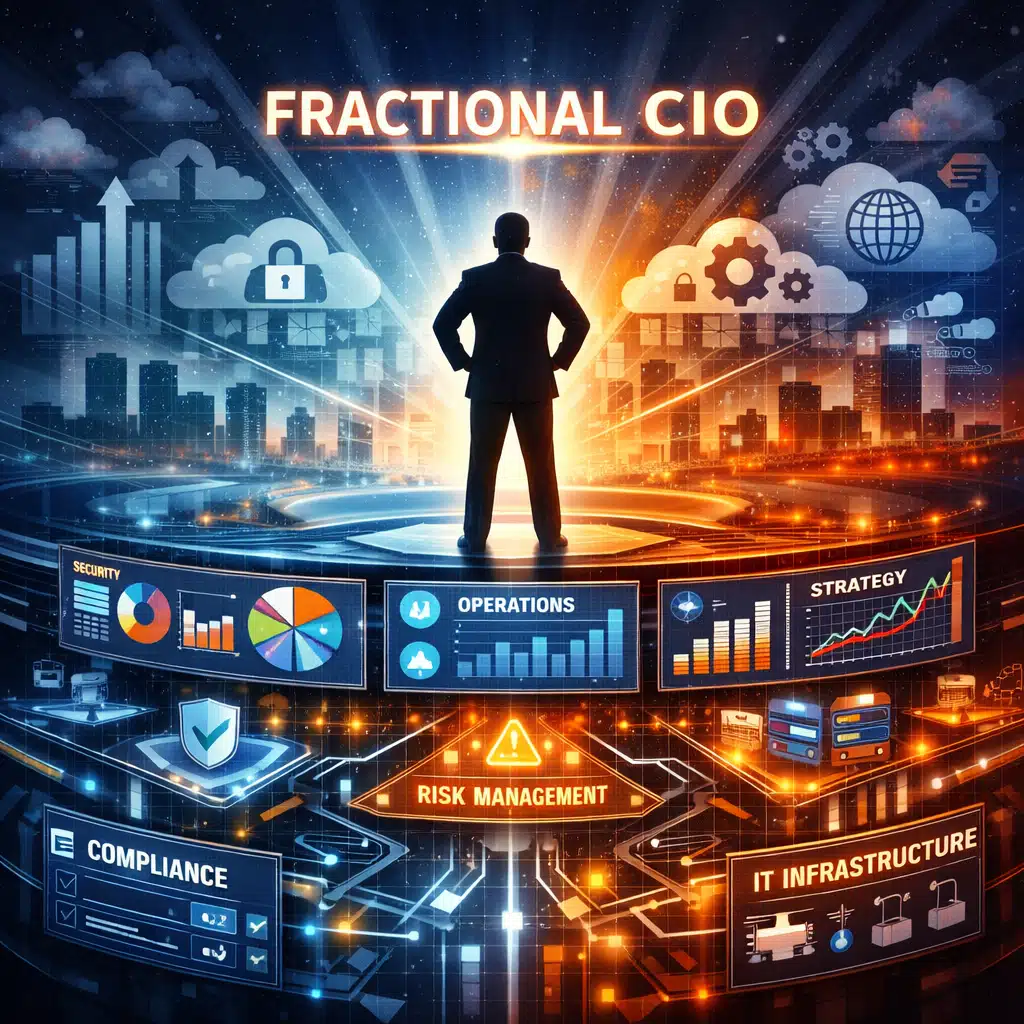
Not every organization needs a full-time Chief Information Officer — but every organization needs clear technology leadership, strategic direction, and governance. Our Fractional CIO Services provide executive-level IT leadership on a flexible basis, aligned with your business objectives and growth stage. We act as a trusted advisor to leadership teams, bridging the gap between business strategy and technology execution.-
Technology Strategy & Roadmap Development
Define governance frameworks, design standards, and documentation practices for consistent API development.
-
Executive Advisory & Governance
Provide leadership-level guidance on technology decisions, investments, and priorities.
-
Security, Risk & Compliance Oversight
Ensure technology initiatives align with security best practices and regulatory requirements.
-
IT Architecture & Modernization Planning
Guide infrastructure, cloud, and application decisions to support scalability and resilience.
-
Vendor & Budget Management
Optimize vendor relationships, contracts, and IT spend for maximum value.
-
Stakeholder Communication & Alignment
Translate technical concepts into clear business insights for executives and boards.
Key Outcomes
-

Clear and actionable technology strategy
-

Improved governance and decision-making
-

Reduced risk and controlled IT spend
-

Technology aligned with business objectives
-

Scalable IT foundations for future growth
IT Audit & Assessment
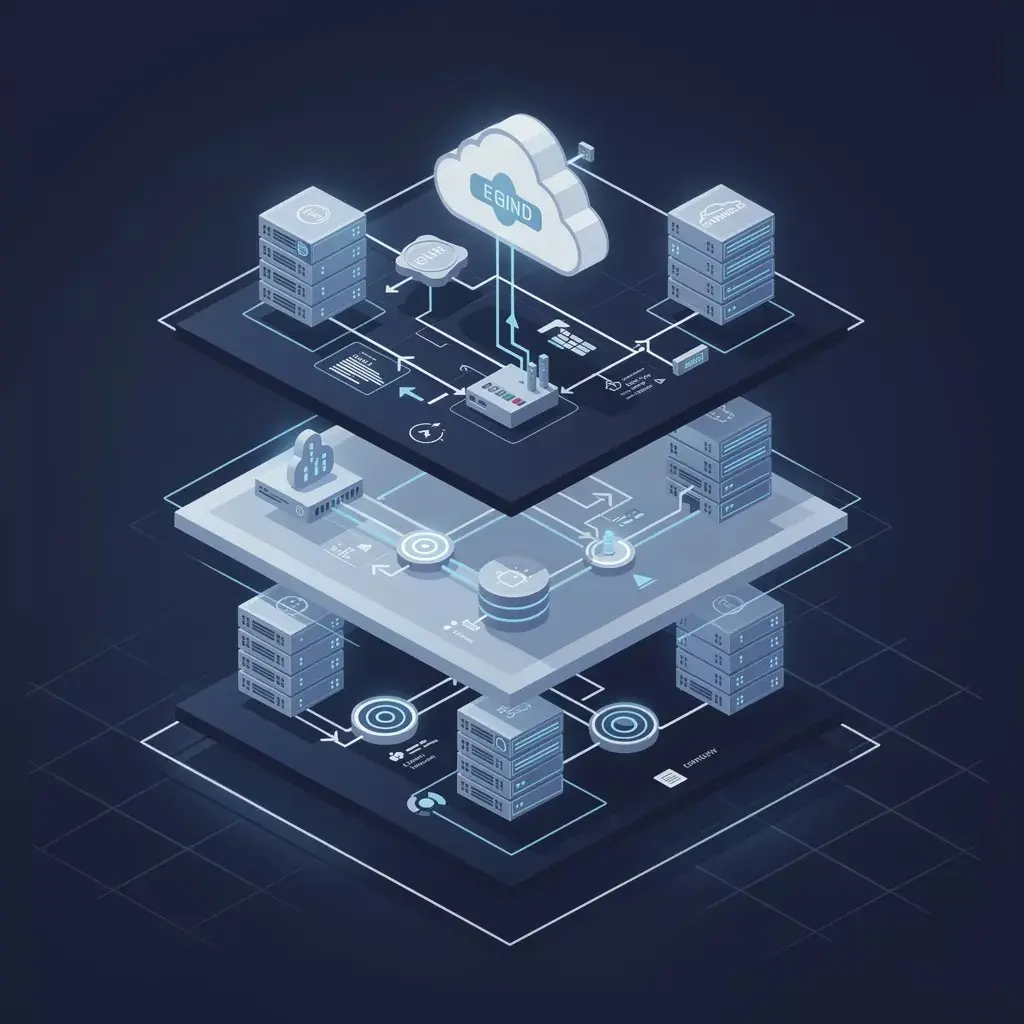
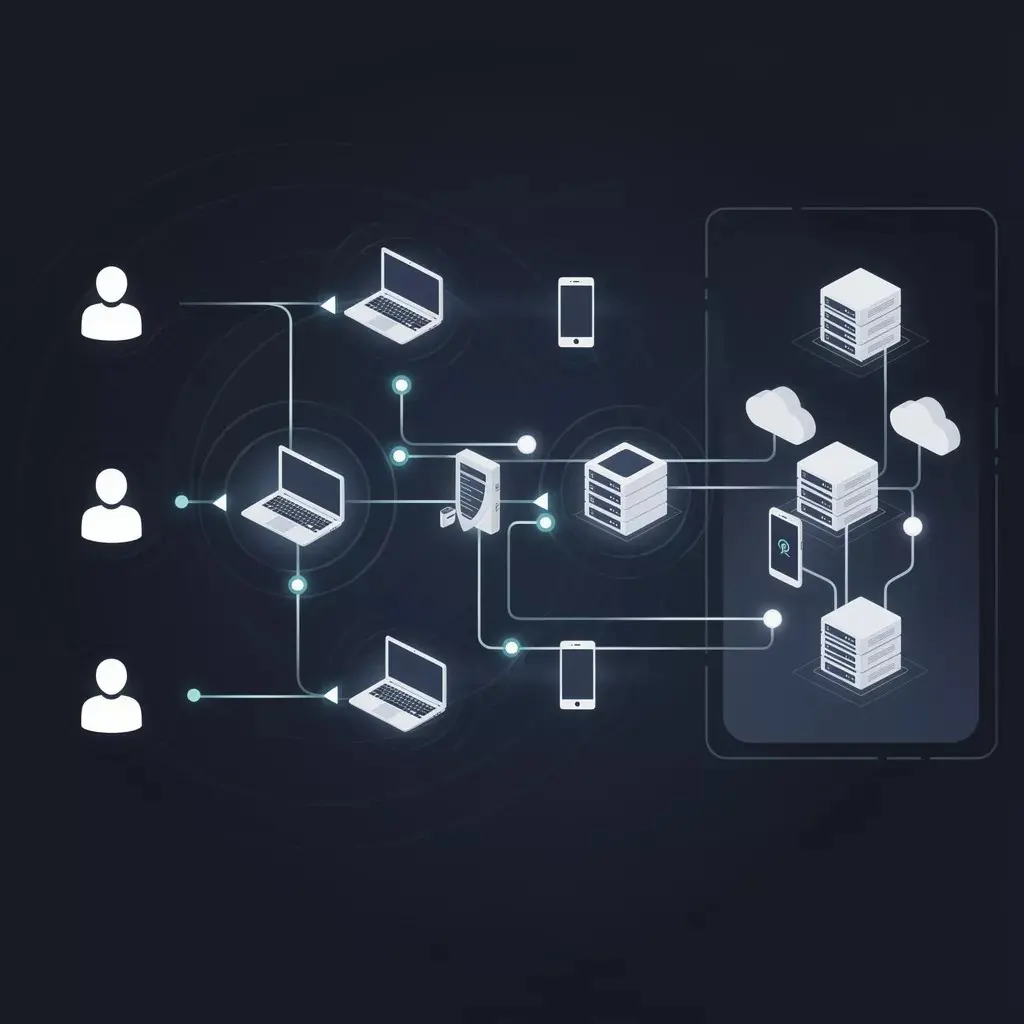
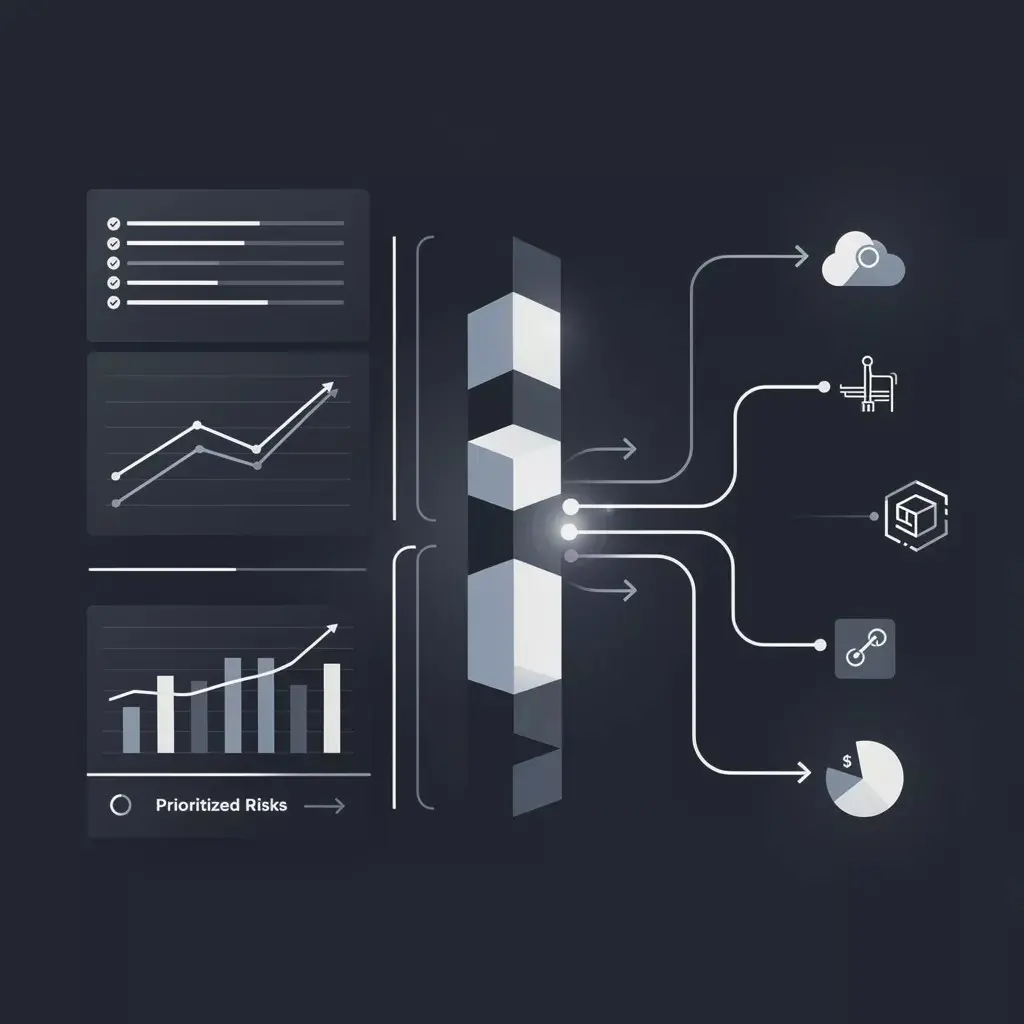
A clear understanding of your current IT environment is essential for managing risk, improving performance, and planning future initiatives. Our IT Audit & Assessment services provide a structured, objective evaluation of your technology landscape — highlighting gaps, risks, and opportunities for improvement. We assess IT environments across infrastructure, cloud, security, operations, and governance, delivering actionable insights that support informed decision-making.



Why Our Approach Works
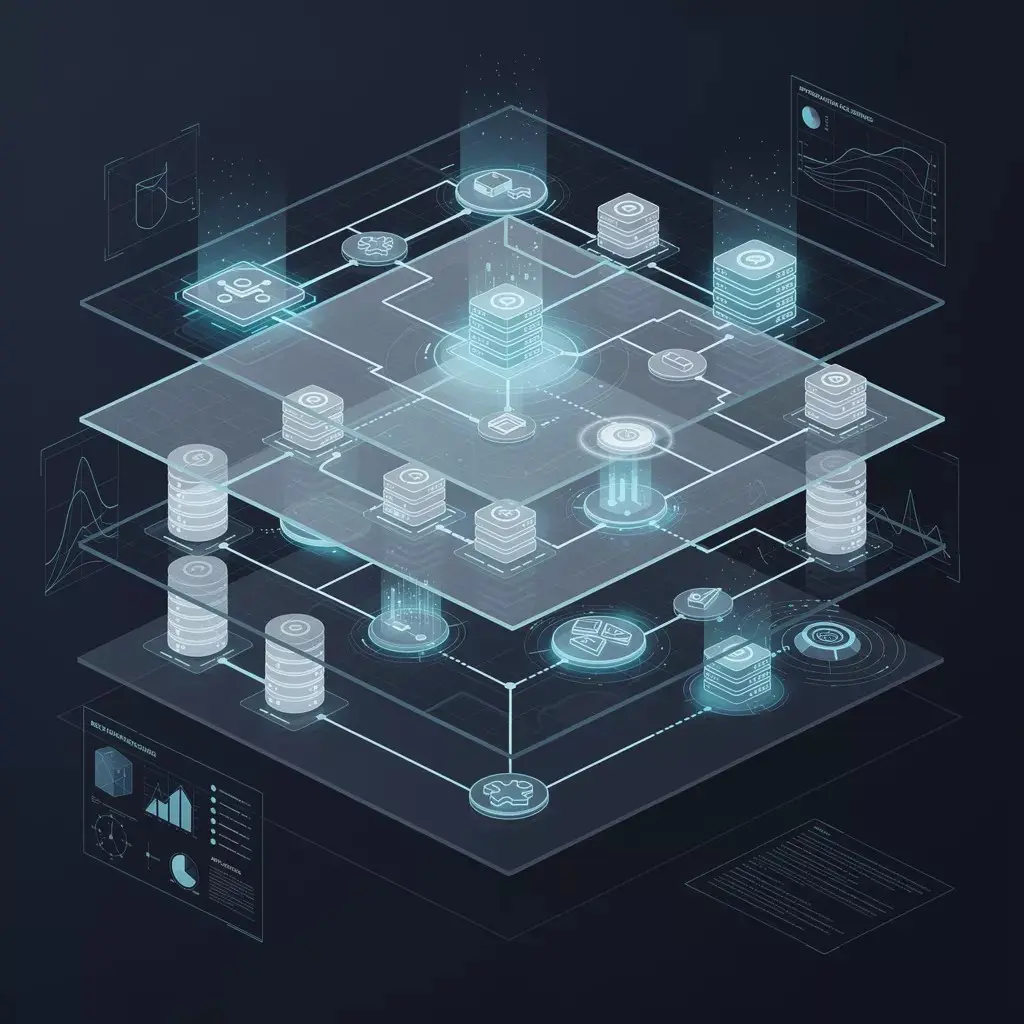
We take a practical, business-focused approach to IT audits. Our assessments are designed to be thorough but actionable — avoiding unnecessary complexity while delivering clarity and direction. By combining technical expertise with governance insight, we help organizations reduce risk, improve efficiency, and plan confidently for future initiatives.
Clear visibility into IT risks and gaps
Improved security and compliance posture

Actionable recommendations and priorities

Better-informed technology decisions

Strong foundation for modernization and growth

Reduced operational risk and technical debt

Digital Roadmap Planning
Successful digital transformation requires more than isolated technology initiatives — it requires a clear, structured, and executable roadmap. Our Digital Roadmap Planning services help organizations define where they are today, where they need to go, and how to get there. We translate business objectives into a phased, prioritized digital roadmap that aligns technology, operations, security, and governance.
How We Support Industrial Organizations
-
Current-State Assessment
Evaluate existing systems, processes, capabilities, and constraints across IT and the business. -
Future-State Vision & Strategy
Define target architectures, capabilities, and outcomes aligned with business goals. -
Prioritized Initiative Planning
Identify and prioritize initiatives based on value, risk, effort, and dependencies. -
Phased Execution Roadmap
Create clear, time-bound phases with milestones, deliverables, and ownership. -
Risk, Security & Compliance Alignment
Ensure transformation initiatives incorporate security, governance, and regulatory requirements. -
Stakeholder Alignment & Communication
Align leadership and teams around a shared vision, priorities, and execution plan.
Key Outcomes
-
Clear and actionable digital roadmap
A practical, phased roadmap that defines what to modernize, when to do it, and why — with clear dependencies, priorities, and ownership instead of abstract transformation ideas. -
Aligned technology and business priorities
Technology initiatives are explicitly tied to business objectives, ensuring investment and effort support revenue, efficiency, risk reduction, and growth — not disconnected IT projects. -
Reduced transformation risk and complexity
Early identification of technical debt, integration risks, and operational gaps prevents costly rework, failed migrations, and disruption during change initiatives. -
Improved visibility and governance
Clear oversight across systems, vendors, costs, and risks through defined governance, decision frameworks, and reporting — enabling informed, timely leadership decisions. -
Scalable foundation for long-term growth
A resilient and extensible architecture that supports future expansion, new services, and regulatory or market changes without repeated redesign or instability.
Why Our Approach Works
We focus on clarity and execution, not abstract transformation models. Our roadmaps are practical, measurable, and designed to be implemented — balancing innovation with operational stability. By aligning technology planning with business priorities, we help organizations avoid fragmented initiatives and deliver sustainable digital progress.
Vendor Management
Modern IT environments depend on multiple vendors, cloud providers, and third-party services. Without structured oversight, vendor sprawl increases cost, risk, and operational complexity. We establish control, accountability, and transparency across the vendor ecosystem.
01. Vendor Portfolio Assessment
Review vendors, contracts, services, and dependencies to identify duplication, coverage gaps, cost leakage, and concentration risk.
02. Contract & Commercial Control
Analyze licensing models, renewal cycles, SLAs, and commercial terms to eliminate unnecessary spend and strengthen negotiating position.
03. Performance & SLA Governance
Define and monitor service-level expectations aligned to business impact — not vendor-defined metrics.
04. Risk, Security & Compliance Oversight
Assess vendor security posture, data handling practices, and regulatory alignment to reduce third-party risk exposure.
05. Vendor Rationalization & Optimization
Reduce operational complexity and cost by consolidating vendors and standardizing services where appropriate.
06. Escalation & Relationship Management
Act as a central escalation and coordination point to resolve issues, enforce accountability, and maintain productive vendor relationships.
Key Outcomes
Centralized oversight of vendors, contracts, services, and performance.
Lower spend and exposure through informed renewals and tighter commercial terms.
Vendors measured and managed against business-aligned performance expectations.
Fewer vendors, clearer responsibilities, and reduced operational overhead.
Vendor services directly support business priorities instead of isolated IT needs.
Bring Control to Your Vendor Ecosystem
Review your current vendors, contracts, and dependencies to identify risk, consolidation opportunities, and cost optimization.
Book Vendor Management ConsultationCost Optimization
Technology costs grow faster than business value when left unmanaged. We reduce unnecessary spend, improve efficiency, and restore budget control — without compromising performance, security, or scalability.

Spend control without service degradation.
Reduce waste, optimize usage, and keep performance and security intact.
What We Deliver
IT Spend & Usage Analysis
Review infrastructure, cloud, licensing, and vendor costs to identify inefficiencies and overspending.
Cloud Cost Optimization (FinOps)
Right-size resources, plan reserved capacity, and apply usage governance to control cloud growth.
Licensing & Subscription Optimization
Align licenses and subscriptions to actual usage and business needs to eliminate waste.
Strategic Vendor Cost Rationalization
Reduce spend through consolidation, contract review, and renegotiation support.
Operational Efficiency Improvements
Improve processes that drive support cost and operational overhead.
Ongoing Cost Governance & Reporting
Monitoring and reporting that fix and prevents cost drift from returning.
Why Our Approach Works
We optimize costs with a business-first mindset. Instead of short-term cuts, we focus on sustainable savings that preserve service quality and support future growth. Governance and transparency are built in to prevent cost escalation from returning.
Key Outcomes
- Reduced IT and cloud spending
- Improved cost visibility and predictability
- Optimized licensing and vendor contracts
- Better alignment between spend and value
- Long-term financial control over technology
Take Control of IT Spend
Identify savings, stop recurring waste, and build a sustainable cost strategy tied to business value.
Request Cost Optimization ReviewChange Management
Technology change fails not because of tools — but because people, processes, and communication are overlooked. We ensure technology initiatives are adopted smoothly, with minimal disruption and faster realization of business value.
Why Change Breaks Down
Most transformation initiatives underestimate human impact. Poor communication, unclear ownership, and misaligned processes lead to resistance, confusion, and operational instability.
Our focus:
Structured adoption, clear communication, and controlled transition — embedded directly into delivery, not treated as an afterthought.
What We Deliver
Change Impact Assessment
Identify how technology changes affect users, processes, and operations.
Stakeholder & Communication Planning
Define clear communication strategies for leadership, teams, and end users.
Adoption & Training Enablement
Support users with targeted training, guidance, and documentation.
Process Alignment & Transition Support
Align operational processes with new systems and ways of working.
Risk & Resistance Management
Identify adoption risks early and address resistance proactively.
Post-Implementation Stabilization
Monitor adoption, resolve issues, and reinforce new behaviors.
Key Outcomes
Users understand, accept, and engage with new systems.
Fewer incidents, workarounds, and productivity drops during transition.
Business benefits achieved sooner after go-live.
Leadership, IT, and users operate with shared expectations.
New behaviors and processes persist beyond initial rollout.
